Jabuticaba Embroidery Design Review
As an embroidery designer who has spent years digitizing and reviewing files for commercial use, I approach every new machine embroidery design with a critical eye. It is not just about whether the artwork looks pretty on a screen; it is about how it translates to fabric, how it holds up in production, and ultimately, how it serves the brand identity of the small business using it. Recently, I had the opportunity to evaluate the Jabuticaba Embroidery Design with Flower, a piece categorized under Single Flowers that promises to add a touch of nature to various projects. For boutique owners, café operators, and handmade brands, this review breaks down the practical viability of this design for branded merchandise and professional applications.
First Impressions: Visual Personality and Brand Fit
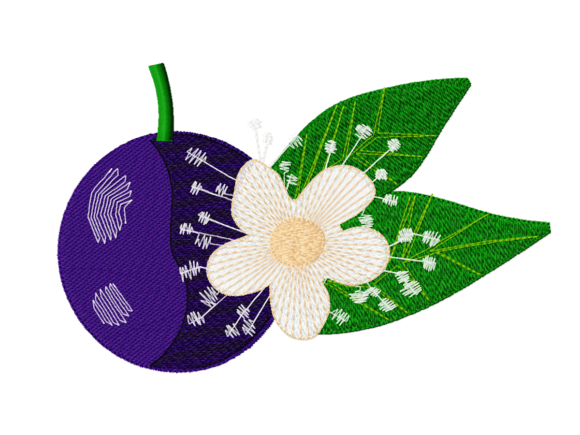
The first thing that strikes you about the Jabuticaba Embroidery Design with Flower is its organic elegance. The combination of a detailed purple fruit, a delicate white flower, and vibrant green leaves creates a composition that feels both rustic and refined. In the context of brand identity, this visual personality is versatile. It does not scream "corporate" nor does it feel overly childish. Instead, it occupies a sweet spot that is perfect for businesses wanting to project authenticity, freshness, and a connection to nature.
For a florist, a bakery specializing in fruit tarts, or a boutique selling organic skincare, this design communicates quality without being ostentatious. The contrast between the deep purple of the jabuticaba and the bright white of the flower ensures that the design has enough visual weight to be noticed, even when scaled down. This balance is crucial for small business merch, where subtlety often sells better than loud graphics.
Real-World Applications for Small Business Merch
When considering where to apply this embroidery file, the possibilities are extensive, but some applications yield better results than others. Here is how I envision this design performing in real commercial embroidery scenarios:
- Branded Patches: This is perhaps the strongest use case. An embroidered patch featuring the jabuticaba and flower can be sewn onto denim jackets, canvas tote bags, or linen aprons. Patches allow for higher stitch density and better definition of the fruit’s details compared to direct embroidery on thin fabrics.
- Staff Uniforms and Aprons: For cafés or artisanal shops, apron embroidery adds a layer of professionalism. Placing this design on the chest pocket area of a canvas apron creates a sophisticated look. The green leaves provide a nice accent that complements earth-toned uniforms commonly used in hospitality.
- Tote Bag Design: Canvas tote bags are a staple for retail giveaways. The vibrant colors of the design pop against natural cotton or beige canvas, making it an attractive item for customers to carry around, effectively turning them into brand ambassadors.
- Cap Embroidery: While possible, cap fronts require careful scaling. The curved surface of a baseball cap can distort detailed designs. If used here, I recommend simplifying the leaf details or ensuring the hoop size accommodates the curve without puckering.
Technical Considerations and Production Challenges
While the aesthetic appeal is high, any experienced designer knows that beauty must be balanced with technical feasibility. Before running this design on your commercial machines, there are several factors to consider regarding stitch density, fabric texture, and stabilizer choice.
The description mentions a "detailed purple fruit." Detail in embroidery often means high stitch density or fine satin stitches. On textured fabrics like terrycloth or heavy wool, fine details can get lost or cause puckering. Therefore, testing on the actual fabric you intend to use is non-negotiable. If you are producing custom apparel for a client, always create a printable mockup and a physical sample first.
Furthermore, the contrast between the white flower and the green leaves requires precise registration. If the machine tension is off, the white threads might pull away, revealing the background fabric or underlying stitches. This is particularly important for dark uniforms. If embroidering on black or navy shirts, ensure that the design includes proper underlay stitches to prevent the garment color from showing through the lighter threads.
Navigating Size and Scale Constraints
One common mistake in using floral designs is scaling them too small. The Jabuticaba Embroidery Design with Flower relies on the separation between the fruit and the flower to create its charm. If you shrink this design to fit a small left-chest logo on a polo shirt, the delicate white flower might merge with the purple fruit, creating a muddy appearance. I advise checking the minimum recommended hoop size and stitch count details provided with the digital embroidery file. If these specifics are not included in the product description, contact the seller before purchasing to ensure it fits your intended application.
Enhancing Brand Identity and Customer Trust
Beyond the technical aspects, using a unique design like this impacts how customers perceive your brand. In the world of Etsy branding and handmade products, visual consistency is key. Using a distinct botanical element like the jabuticaba helps differentiate your business from competitors using generic clipart. It signals that you care about the finished product and have invested in quality design assets.
When customers see well-executed embroidery on their packaging accents or gifted merchandise, it builds trust. It suggests that the same attention to detail applied to the embroidery is present in the products you sell. This psychological effect can increase perceived value, allowing small businesses to command higher price points for their goods.
Practical Designer Notes for Implementation
To ensure the best results when integrating this design into your workflow, follow these practical steps:
- Test in Black and White First: Before committing to colorful threads, stitch out the design in monochrome. This helps you evaluate the clarity of the outlines and the spacing between elements without the distraction of color.
- Check Thread Color Contrast: Ensure your thread palette matches your brand guidelines. The purple needs to be rich, not washed out, and the green should complement rather than clash with your uniform colors.
- Use Proper Stabilizer: For lightweight fabrics like silk or rayon blends often used in boutique clothing, a cut-away stabilizer is essential to support the weight of the stitches and prevent distortion after washing.
- Confirm Commercial Licensing: Always verify the license terms of the digital embroidery file. Ensure you have the right to use the design for commercial purposes, especially if you are selling the embroidered items directly.
- Compare Beside Other Assets: Place the stitched sample next to your logo, business cards, and packaging. Does the style of the jabuticaba design align with your overall visual identity? Consistency strengthens brand recognition.
In conclusion, the Jabuticaba Embroidery Design with Flower is a strong candidate for small business merchandise, particularly for brands rooted in nature, food, or artisanal crafts. Its strength lies in its balanced composition and versatile aesthetic. However, success depends on thoughtful application. By respecting the technical limits of embroidery, choosing the right fabrics, and maintaining consistent branding, this design can become a valuable asset in your commercial embroidery toolkit. Whether used for an embroidered patch on a tote bag or a subtle accent on a staff apron, it offers a professional, handmade touch that resonates with modern consumers.