Review: Lord and Savior Crown Embroidery Design
As an embroidery designer who has spent countless weekends behind a craft fair table, I know that the difference between a browsing customer and a buying customer often comes down to visual impact. When I first loaded the Lord and Savior Crown Embroidery Design into my digitizing software, my immediate thought was about its potential as a high-converting craft fair product. In the world of handmade goods, especially within the Religion and faith-based niche, buyers are looking for items that feel personal, charming, and well-crafted. This design promises to bring a bit of charm to fabrics with a playful touch, which is exactly the vibe that sells in today’s market.
First Impressions and Visual Appeal
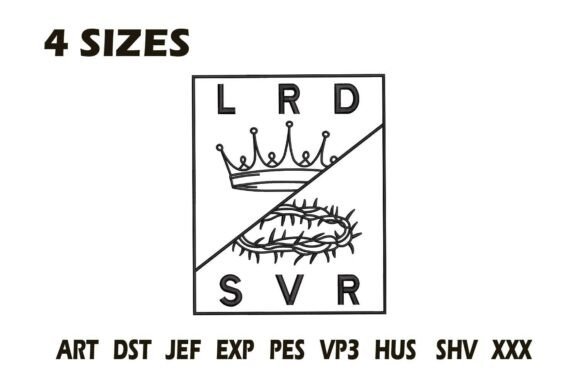
The title suggests a blend of reverence and whimsy, a combination that performs surprisingly well in modern Embroidery markets. Upon reviewing the preview, the design feels less like a stiff, traditional religious icon and more like a friendly, approachable statement piece. It strikes a balance between bold and cute, making it versatile for various demographics. For an Etsy seller or boutique maker, this versatility is gold. The design does not scream "souvenir"; instead, it whispers "lifestyle accessory."
When considering where this fits in a booth display, I imagine it standing out on neutral tones. The concept of a crown associated with the "Lord and Savior" implies a regal yet playful motif. If the digitizing maintains clean lines and appropriate stitch density, it will look premium rather than cluttered. A design that is too dense can look heavy on lightweight fabrics, while one that is too sparse might lack presence. The key here is the "playful" aspect mentioned in the description, suggesting that the thread colors should be vibrant but harmonious, perhaps using golds, deep blues, or soft pastels depending on the fabric base.
Product Applications for Maximum Sales
To truly evaluate the commercial viability of the Lord and Savior Crown Embroidery Design, we must look at where it lives best. Based on the description recommending t-shirts, towels, and home decor, here is how I would deploy this machine embroidery design in a real-world sales scenario.
- Tote Bag Design: This is arguably the strongest candidate. A canvas tote with this design centered creates an instant handmade product that people want to carry. It acts as a walking advertisement for your brand. The flat surface of a tote allows the design to lay perfectly without distortion.
- Tea Towel Embroidery: Kitchen linens are impulse buy staples at craft fairs. Placing this design on the corner of a waffle-weave or linen towel adds a touch of whimsy to everyday chores. However, you must be mindful of the fabric texture. Textured towels can sometimes swallow up small details, so ensure the design elements are large enough to remain clear.
- Apron Embroidery: Faith-based cooking gifts are a huge market. An apron featuring this design makes for a thoughtful gift for church potlucks or holiday gatherings. It transforms a utilitarian item into a cherished keepsake.
- Embroidered Patch: If the design holds up at a smaller scale, turning it into an iron-on or sew-on patch expands your inventory significantly. Patches are low-cost, high-margin items that appeal to younger demographics looking to customize jackets or bags.
- Caps and Hats: While the description mentions t-shirts and towels, caps are a high-demand item. However, curved surfaces require careful hooping. If the design is wide, it may distort on a standard cap. Test this thoroughly on scrap fabric before committing to production.
Production Practicality and Quality Control
For those of us running a small shop product line, efficiency is everything. The Lord and Savior Crown Embroidery Design needs to be repeatable. When preparing for a weekend market, I look for designs that stitch out reliably without constant thread breaks or trimming issues. Here are the critical production points to consider:
Stitch Density and Fabric Choice: Always test the design on the exact fabric you intend to sell. A design that looks crisp on cotton twill might pucker on a thin polyester blend. Use the right stabilizer; for towels, a cut-away stabilizer is often necessary to support the stitches against the pull of the loops. For t-shirts, a tear-away with a top stabilizer might suffice if the design is not overly dense.
Size and Clarity: The description notes it is perfect for items that need a "fun, whimsical touch." This implies the design should not be microscopic. Tiny details and small lettering can get lost, especially on textured materials. If you plan to use this as a small accent on a pocket, verify that the crown elements do not merge into a blob of thread. If the design includes text, ensure it is legible from a distance of three feet—the average viewing distance at a craft fair table.
Thread Contrast: To make the design pop, contrast is key. On dark fabric, use lighter threads with a slight sheen. On light fabric, bold, saturated colors work best. Create at least one real mockup to see how the light hits the threads. Satin stitches will catch the light differently than fill stitches, adding dimension to the final product.
Marketing and Online Presence
Beyond the physical booth, this design is a strong asset for digital listings. As a digital embroidery file, it appeals to other makers who want to create their own finished products. When creating your printable mockup or online photos, show the design in context. Do not just show the hoop; show the embroidered tote being held, or the tea towel folded neatly on a counter. This helps the buyer visualize the finished product in their own life.
For commercial embroidery users, clarity on licensing is vital. Before selling any items made with this embroidery file, confirm the commercial licensing terms provided by the designer. Most reputable designers allow finished product sales, but restrictions on sharing the digital file itself are standard. Protect your business by keeping these records organized.
Designer Tips for Best Results
- Test on Scrap: Never skip the test stitch. Use the same fabric and stabilizer combination you plan to use for production.
- Check Hoop Size: Ensure the design fits comfortably within your standard hoop sizes to avoid re-hooping, which slows down production.
- Inspect Stitch Density: Look for areas where stitches overlap excessively. These can cause puckering or thread breaks.
- Compare Fabric Colors: Create a range of samples on white, cream, navy, and black fabrics to determine which colorways sell best.
- Photograph Well: Ensure the design photographs clearly for your Etsy listings. Good lighting highlights the texture and quality of the embroidery.
In conclusion, the Lord and Savior Crown Embroidery Design offers a charming, versatile option for faith-based crafters. By focusing on high-visibility products like tote bags and tea towels, and paying close attention to production details like stabilizer choice and stitch density, you can turn this digital asset into a best-selling craft fair product. It is a design that invites engagement, sparks conversation, and ultimately, drives sales through its blend of playful aesthetics and meaningful symbolism.