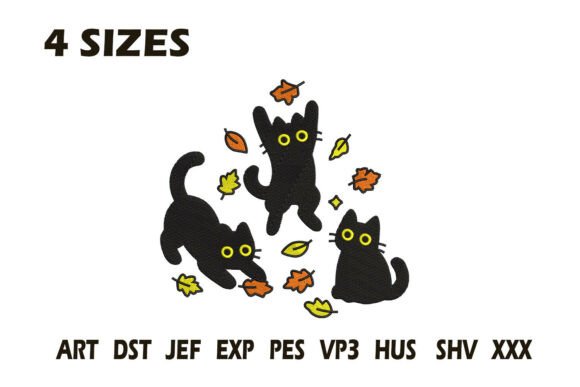
Reviewing Black Cats Autumn Embroidery for Real Projects
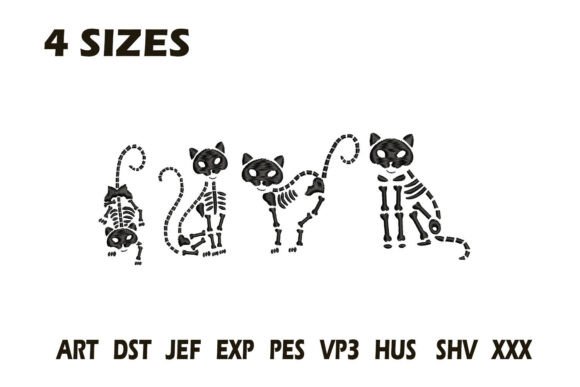
As a designer who spends more time staring at stitch maps than finished garments, I have learned that the difference between a cute idea and a sellable product lies in the execution. When I first loaded the Black Cats Autumn Embroidery file into my software, I was not just looking for a seasonal motif. I was looking for a design that could hold its own on a commercial level while retaining the whimsical charm required for handmade goods. This review breaks down how this specific machine embroidery design performs in real-world scenarios, from boutique apparel to holiday gifts.
First Impressions: Mood and Visual Personality
The immediate appeal of this design is its balance between playful and polished. The silhouette of the cat is distinct, avoiding the muddy look that often plagues smaller digital files. The autumn theme is not overpowering; instead, it uses subtle cues—likely leaves or warm tones depending on your thread choice—to evoke the season without screaming "Halloween." This versatility is crucial for a craft business. You do not want a design that becomes obsolete on November 1st. This piece feels like it belongs in a cozy home or on a comfortable garment, creating a mood of warmth and nostalgia.
For an Etsy seller, visual personality drives clicks. The clean lines suggest professionalism, while the subject matter invites engagement. It is the kind of image that stops a scroller because it feels personal rather than mass-produced. When evaluating the layout, I noticed the composition is compact yet detailed enough to be interesting. This makes it an ideal candidate for various design assets where space might be limited but impact is necessary.
Real-World Application: From Tote Bags to Sweatshirts
I tested this concept mentally against several common products before committing to stitching. The most natural fit appeared to be a canvas tote bag design. The sturdy fabric of a tote provides the stability needed for the stitches to sit flat, and the whimsical nature of the cat complements the casual utility of the bag. Imagine this stitched in rich oranges, deep browns, and cream threads on a natural cotton canvas. It transforms a generic bag into a personalized gift that feels thoughtful and curated.
Another strong contender is sweatshirt embroidery. Here, the texture of the fleece or French terry adds depth to the project. However, this requires careful consideration of stitch density. If the design relies heavily on fill stitch areas, it can become stiff on soft fabrics. For a high-end custom apparel piece, I would recommend testing the tension to ensure the garment does not pucker around the edges. The playful nature of the black cat makes it perfect for unisex styles, appealing to a broad demographic of buyers looking for unique, non-generic winter wear.
For those running a small shop product line, consider using this as an embroidered patch. Patches allow you to control the backing and stabilizer completely, ensuring the highest quality finish regardless of the final application. A patch can be ironed onto jackets, hats, or bags, giving the customer flexibility. This approach mitigates the risk of embroidering directly onto difficult fabrics and allows for batch production, which is essential for scaling a commercial embroidery operation.
Technical Considerations and Fabric Choices
While the design is charming, technical diligence is required. The term "applique design" often implies layered fabric, but if this is a standard stitch-out, you must pay attention to thread colors and contrast. On dark fabrics, a black cat can disappear if not outlined properly. I strongly advise using a contrasting running stitch or a lighter border to define the shape against navy, charcoal, or black garments. Without this definition, the design loses its clarity and visual appeal.
Fabric texture plays a significant role here. On textured towels or waffle-weave blankets, fine details can get lost. This design seems robust enough to handle moderate texture, but I would avoid using it on highly looped terrycloth unless you use a generous cut-away stabilizer. For thin or stretchy fabrics, such as jersey t-shirts, a no-show mesh stabilizer is non-negotiable. The goal is to keep the stitches on top of the fabric, not sunk into it.
Curved surfaces present another challenge. If you plan to use this on caps or hats, the hoop size and shape become critical. The design must fit within the curved cap frame without distortion. I recommend digitizing a test run on a scrap piece of similar material to check for pull compensation. Tiny lettering or intricate corners, if present in the autumn elements surrounding the cat, may need simplification for smaller hoop size applications to prevent thread breaks and bird nests.
Enhancing Product Value and Brand Consistency
How does Black Cats Autumn Embroidery affect your brand? Consistency is key. If your brand leans towards rustic, handmade aesthetics, this design fits seamlessly. It enhances the perceived value of a finished product by adding a layer of artisanal touch. Customers trust handmade items more when the stitching looks crisp and intentional. Sloppy edges or loose threads undermine that trust, so the quality of your execution matters as much as the design itself.
For holiday embroidery collections, this piece serves as an excellent anchor. It is specific enough to feel seasonal but general enough to remain relevant throughout the fall months. This longevity increases the return on investment for your digital embroidery file purchase. You can create multiple SKUs—pillow covers, kitchen towels, baby onesies—using the same core asset, maximizing its utility across your inventory.
Practical Designer Notes for Best Results
Before you list this item in your store or gift it to a client, follow these practical steps:
- Test on Scrap Fabric: Never stitch directly on your final garment. Use a scrap piece of the exact same material and weight to check tension and density.
- Check Thread Contrast: Ensure the black cat stands out. If stitching on dark fabric, add a light-colored border or backstitch outline.
- Review Stitch Density: High density can cause puckering. If the design feels stiff, consider reducing density in your software or using a lighter weight thread.
- Confirm Hoop Size: Verify that the design fits your available hoops, especially for smaller items like baby clothes or patches.
- Inspect Small Details: Zoom in on the digital file. Are there tiny jumps or unnecessary trims? Clean up the file if necessary for smoother machine operation.
- Mockup Testing: Create printable mockup images in both black and white and color to see how the design reads without the distraction of thread sheen.
- Licensing Verification: Always confirm the license terms. Can you sell finished items? Can you use it for commercial embroidery? Clarify this before investing time in production.
In conclusion, Black Cats Autumn Embroidery is a versatile and charming addition to any designer’s library. It bridges the gap between whimsical fun and professional presentation. By paying attention to fabric choice, stabilizer selection, and thread contrast, you can elevate this simple embroidery project into a standout handmade product. Whether you are decorating a cozy pillow or branding a line of autumn apparel, this design offers the reliability and aesthetic appeal needed to satisfy discerning customers.