Reviewing the Bull Moo Boo Embroidery Design
As a designer who spends more time staring at stitch simulations than I care to admit, I have developed a keen eye for what works in the hoop and what looks like a tangled mess on fabric. When I first loaded the Bull Moo Boo Embroidery Design into my software, I was looking for more than just a cute seasonal graphic. I was evaluating its potential as a versatile asset for my craft business and client projects. This isn't just about whether it is spooky enough for October; it is about whether this digital embroidery file holds up under the needle during real-world production.
First Impressions and Visual Personality
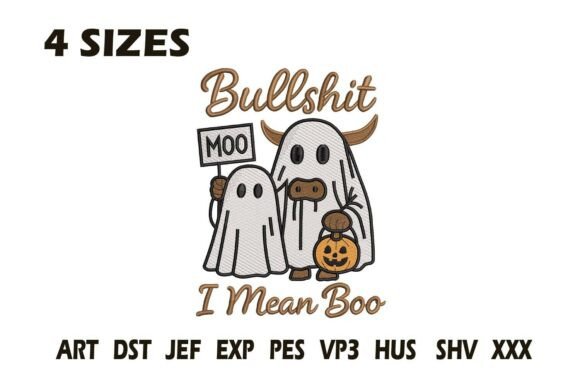
The immediate appeal of the Bull Moo Boo Embroidery Design lies in its clever visual pun. It balances whimsy with the traditional aesthetics of Halloween without leaning too hard into gore or darkness. For an embroidery project, this balance is crucial. Designs that are too complex often lose their charm when scaled down, while overly simple designs can look amateurish if the stitch work isn't precise.
From a layout perspective, the design feels compact and self-contained. This is a significant advantage for small shop products where hoop space is at a premium. The visual personality suggests a playful tone, making it an excellent candidate for personalized gifts that need to feel approachable rather than intimidating. Whether you are aiming for a boutique branding look or a friendly handmade product, the mood here is inviting. It captures the spirit of the season while remaining appropriate for a wider audience, including families and children.
Real-World Application: The Tote Bag Test
To truly understand the value of any machine embroidery design, you have to imagine it on a physical object. I recently considered this design for a custom embroidered tote bag order. Tote bags are a staple for Etsy sellers and craft fair products because they offer a large, flat canvas. However, the fabric choice matters immensely.
When visualizing the Bull Moo Boo Embroidery Design on a heavy cotton canvas, I looked closely at the stitch density. If the design relies heavily on fill stitch areas, it can cause puckering on lighter fabrics. In this case, the design appears to have a balanced approach, likely utilizing satin stitch for outlines and strategic fills for the body of the character. This makes it a strong contender for sweatshirt embroidery as well. A crewneck sweatshirt provides enough stability to handle moderate density without excessive backing, ensuring the finished product remains soft and wearable.
For those running a small business, versatility is key. This design transitions well from apparel to home décor. Imagine it stitched onto a kitchen towel as a seasonal accent or on a pillow cover for a nursery that embraces playful holiday themes. The adaptability of the design means you are not limited to one type of inventory. You can create a cohesive collection of Halloween items that share a consistent visual language, strengthening your brand consistency.
Technical Considerations for Stitching
While the aesthetic is charming, the technical execution is where many digital embroidery files fail. As an experienced reviewer, I always advise checking the underlying structure before hitting "start" on your machine. Here are practical notes to consider when working with this design:
- Stabilizer Selection: Always test the design on scrap fabric first. For stretchy fabrics like t-shirts or baby clothes, use a cut-away stabilizer to prevent distortion. For woven fabrics like aprons or tote bags, a tear-away may suffice, but hooping firmly is essential.
- Thread Color Contrast: The success of this design depends heavily on thread colors. Because it plays on visual recognition, ensure high contrast between the bull and the background. Test it in black and white mockups to see if the shapes remain distinct without color reliance.
- Small Details: Inspect the tiny elements, such as eyes or horns. If these areas are too small for your needle size, they may break or bunch up. Adjust the scale if necessary, but be mindful that shrinking the design too much can compromise stitch clarity.
- Fabric Texture: Textured fabrics can hide minor imperfections, but they can also swallow small stitches. Avoid using this design on highly textured fleece unless you increase the stitch count or size to maintain visibility.
It is also vital to confirm hoop size compatibility. While the design seems suitable for standard 4x4 or 5x7 hoops, always verify the dimensions in your software. Attempting to squeeze a design into a hoop that is too small can lead to misalignment and wasted materials.
Navigating Challenging Surfaces
Not every surface is created equal. While the Bull Moo Boo Embroidery Design shines on flat surfaces like patches and aprons, curved surfaces require extra caution. Caps and hats present a unique challenge due to the curvature and the thickness of the material. If you plan to use this for cap embroidery, ensure the design is centered correctly and that the stitch density is not too high, which could cause the cap to warp.
Similarly, be careful with thin fabrics. If you are creating delicate baby embroidery items, the weight of the threads might overwhelm the fabric. In such cases, consider using lighter weight threads or adjusting the density settings if your software allows. The goal is to maintain the integrity of the garment while delivering a professional-looking finished product.
Commercial Viability and Customer Trust
For commercial embroidery projects, reliability is everything. Customers judge the quality of a handmade product by its finish. A clean, well-stitched design builds trust and encourages repeat business. The Bull Moo Boo Embroidery Design offers a professional appearance that can elevate your Etsy listings or craft fair displays. It is not just a decoration; it is a design asset that contributes to the perceived value of your work.
When creating printable mockups for your online store, this design performs well because of its clear lines and recognizable shape. High-quality previews attract buyer engagement, and a design that translates well from screen to stitch ensures customer satisfaction. Remember, however, to confirm licensing terms before selling finished items. Most designers allow commercial use for physical products, but restrictions may apply to reselling the digital embroidery file itself.
Final Verdict for Makers
In the crowded market of holiday embroidery, standing out requires designs that are both visually appealing and technically sound. The Bull Moo Boo Embroidery Design meets these criteria with a playful concept and a practical layout. It is a reliable choice for anyone looking to add a touch of seasonal humor to their repertoire.
Whether you are an experienced decorator working on bulk orders or a hobbyist creating personalized gifts for friends, this design offers flexibility and charm. Just remember to do your due diligence: check your stitch density, choose the right stabilizer, and test on scrap fabric. With proper preparation, this design can become a standout piece in your autumn collection, proving that good design is not just about what you see, but how it stitches out in the real world.