Touchdown Season Embroidery: A Designer’s Review
As an embroidery designer who has spent years digitizing files and consulting with small business owners, I approach every new machine embroidery design with a critical eye. It is not just about whether a motif looks cute on a screen; it is about how it performs under the needle, how it translates to fabric, and ultimately, how it serves the brand identity of the client using it. Today, I am reviewing Touchdown Season Embroidery, a playful design categorized under Sports and Embroidery, to determine its viability for commercial use in boutiques, cafes, and handmade shops.
First Impressions: Visual Personality and Brand Fit
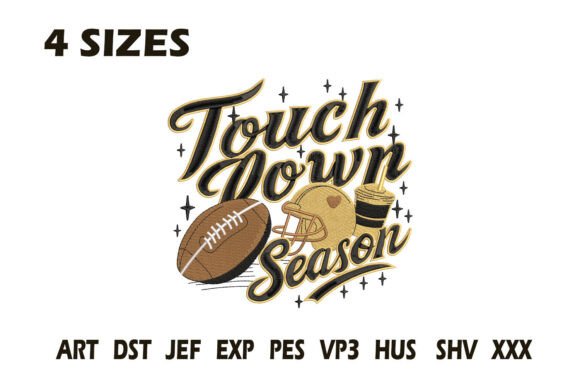
The product description promises to "bring a bit of charm to your fabrics" with a "playful" and "whimsical touch." From a design perspective, this signals that Touchdown Season Embroidery is likely characterized by softer lines, approachable shapes, and a friendly aesthetic rather than aggressive, high-contrast sports graphics. For small business owners, this distinction is vital. While it falls under the Sports category, the whimsical nature suggests it is better suited for lifestyle brands, family-oriented businesses, or casual apparel lines rather than competitive team uniforms.
When I visualize this design on a mockup, I see it working exceptionally well for brands that want to appear accessible and fun. Think of a local bakery launching a football-themed cookie box, a florist creating seasonal tote bags, or a pet brand releasing autumn accessories. The design does not scream "hardcore athlete"; instead, it whispers "community spirit." This subtle difference allows it to cross over into home decor and casual wear, expanding its commercial potential beyond traditional sportswear.
Real-World Applications for Small Business Merch
For Etsy sellers and merch creators, versatility is key. A single digital embroidery file must work across multiple product types to maximize ROI. Here is how I envision Touchdown Season Embroidery performing in real business scenarios:
- Embroidered Patches: This is perhaps the strongest use case. A whimsical sports design makes for an excellent iron-on or sew-on patch. Small businesses can produce batches of these patches to sell as standalone items or use them to upgrade plain denim jackets and canvas bags. The "charm" factor encourages impulse buys.
- Apron Embroidery: For cafes and bakeries, staff uniforms are walking advertisements. Stitching this design on the chest pocket of a canvas apron adds a seasonal touch without overwhelming the brand logo. It creates a cohesive look during game days or seasonal promotions.
- Tote Bag Design: Canvas tote bags are a staple for boutique merchandise. Placing Touchdown Season Embroidery as a central focal point or a corner accent can turn a generic bag into a seasonal favorite. The playful nature aligns well with the casual utility of a tote.
- Cap Embroidery: Front-panel caps are tricky due to curvature, but a simplified version of this design could work beautifully on the side panel or back of a dad hat. It appeals to customers who want to show team spirit without wearing a jersey.
By integrating this design into custom apparel and accessories, businesses can create limited-edition drops that drive urgency and engagement. It transforms standard inventory into themed collectibles.
Technical Considerations and Production Challenges
While the aesthetic appeal is strong, any professional embroiderer knows that execution is where profits are made or lost. Before running a large batch of commercial embroidery, there are several technical factors to evaluate with Touchdown Season Embroidery.
First, consider stitch density. Playful, whimsical designs sometimes rely on satin stitches for smooth outlines. If the density is too high for lightweight fabrics like t-shirts, you risk puckering. I always recommend testing the design on a scrap piece of the exact fabric you intend to use. If you are stitching on towels, as suggested in the description, ensure the underlay is sufficient to prevent the stitches from sinking into the terry cloth loops.
Second, pay attention to hoop size and placement. The description mentions it is perfect for various items, but you must confirm the actual dimensions of the digitized file. If the design is too large for a standard 4x4 hoop, you may need to resize it, which can distort proportions. Always check if the design retains its clarity when scaled down for smaller applications like pocket logos or sleeve details.
Third, thread colors play a massive role in the final perception. A whimsical design often uses multiple colors to achieve its charm. However, for small business merch, cost and consistency matter. Test the design in a limited color palette first. Does it hold up in black and white? If you plan to offer this on dark uniforms, ensure you have a proper underlay or plan to use lighter thread colors that contrast well against the fabric. Poor contrast can make the design look muddy and unprofessional.
Strategic Use for Brand Identity and Trust
Why does the choice of embroidery design matter for brand identity? Because every stitch communicates quality. A well-executed Touchdown Season Embroidery signals that a business pays attention to detail. When a customer receives a handmade product with clean, crisp stitching, their trust in the brand increases. It elevates the perceived value of the item, allowing for higher price points.
However, consistency is crucial. If your brand is known for minimalist, modern aesthetics, a overly whimsical sports design might clash unless used sparingly as a seasonal accent. Ensure that Touchdown Season Embroidery aligns with your overall visual language. Use it to complement your primary logo, not compete with it. For example, place the design on the sleeve while keeping the main logo on the chest. This hierarchy maintains brand recognition while adding festive flair.
Designer Notes for Best Results
To ensure your finished product meets professional standards, follow these practical steps before full production:
- Create a Printable Mockup: Before stitching a single thread, superimpose the design onto photos of your products. This helps you visualize scale and placement, saving time and materials.
- Check Stabilizer Requirements: Whimsical designs with varied stitch directions need proper support. Use a cut-away stabilizer for stretchy fabrics like t-shirts and a tear-away for stable fabrics like canvas totes. This prevents distortion after washing.
- Inspect Spacing and Detail: Zoom in on the embroidery file in your software. Look for tiny details that might not stitch out cleanly at smaller sizes. If the design includes fine lettering or intricate outlines, consider simplifying it for patch use.
- Verify Commercial Licensing: Always confirm the license terms included with the digital file. Ensure you have the right to use Touchdown Season Embroidery for physical goods sold in your shop. This protects your business from legal issues.
- Test on Real Fabric: Screen visuals can be deceiving. Stitch a sample on the actual material—whether it is a thick towel or a thin tee—to check for registration issues or thread breaks.
In conclusion, Touchdown Season Embroidery offers a charming, versatile option for small businesses looking to add seasonal personality to their merchandise. By understanding its visual strengths and respecting its technical requirements, you can leverage this design to create high-quality, engaging products that resonate with your customers. Whether used for aprons, patches, or tote bags, it serves as a reminder that thoughtful design details can significantly enhance brand appeal and customer satisfaction.