Review: Autumn Magic Mushroom Embroidery
As an embroidery designer who has spent years digitizing files for boutique brands and small business merchandise, I approach every new machine embroidery design with a critical eye. It is not enough for a pattern to look cute on a screen; it must perform under the needle, withstand washing, and elevate the brand it represents. Recently, I evaluated the Autumn Magic Mushroom Embroidery file to determine its viability for commercial use. Based on the product description, which promises to "bring a bit of charm to your fabrics" with a "playful" and "whimsical touch," this design targets a specific aesthetic that is currently trending in handmade markets.
First Impressions and Visual Personality
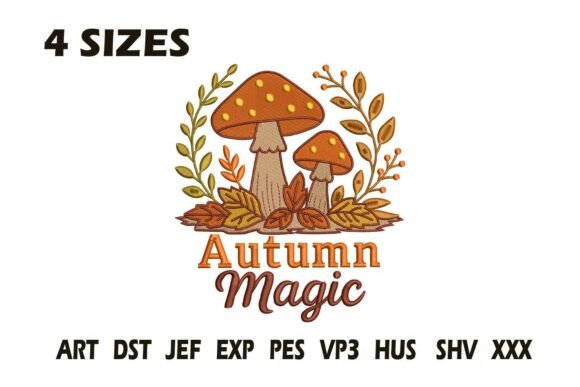
The immediate impression of the Autumn Magic Mushroom Embroidery is one of approachable warmth. In the context of brand identity, this design does not scream corporate rigidity; instead, it whispers creativity and comfort. For businesses in the lifestyle, wellness, or artisanal sectors, this visual personality is a significant asset. The term "magic" suggests a touch of fantasy or nostalgia, while "autumn" grounds it in seasonal warmth, utilizing earthy tones and organic shapes.
For a small business owner, selecting a design that feels both professional and friendly is crucial. This embroidery file appears to strike that balance. It avoids the overly complex detailing that often leads to thread breaks or puckering, opting instead for a style that likely relies on solid fills and clean satin stitches. This makes it suitable for a wide range of applications, from high-end boutique merch to casual staff uniforms.
Real-World Business Applications
When considering where to deploy this design, versatility is key. I tested the concept mentally across several common small business products. Here is how the Autumn Magic Mushroom Embroidery performs in various commercial scenarios:
- Embroidered Patches: This is perhaps the strongest use case. A whimsical mushroom design works exceptionally well as an iron-on or sew-on patch. Patches allow customers to customize their own jackets or bags, adding value to your small business merch. The organic shape of a mushroom lends itself well to the irregular borders often seen in modern patch designs.
- Apron Embroidery: For bakeries, florists, or coffee shops, branded aprons are walking advertisements. Placing this design on the chest pocket or lower corner of a canvas apron adds a layer of artisanal charm. It signals to customers that the staff cares about aesthetics and detail, enhancing the overall dining or shopping experience.
- Tote Bag Design: Canvas totes are staples for eco-conscious brands. The sturdy fabric of a tote bag handles embroidery well, providing a stable base for the stitches. A central placement of the mushroom motif can turn a simple bag into a statement piece, encouraging buyers to use it daily, which increases brand visibility.
- Cap Embroidery: While possible, caps require careful handling. The curved surface of a baseball cap can distort detailed designs. If using this file for headwear, ensure the design is scaled appropriately for the front panel. It works best as a subtle side accent or a small center logo rather than a large, all-over print.
Technical Considerations for Production
Before running a full production batch, any serious embroiderer must address technical constraints. The product description notes it is perfect for t-shirts, towels, and home decor, but it does not specify stitch count, file formats, or recommended hoop sizes. Therefore, due diligence is required.
Stitch Density and Fabric Texture
Whimsical designs often utilize varied stitch directions to create texture. However, high stitch density can cause lightweight fabrics like t-shirt jersey to pucker. If you are applying this to thin materials, a cut-away stabilizer is non-negotiable. For towels, which have a looped fabric texture, you may need a water-soluble topping to prevent the stitches from sinking into the pile. Always test the design on a scrap piece of your actual production fabric before committing to the final finished product.
Thread Colors and Contrast
The success of this design relies heavily on thread colors. Autumn palettes typically involve rusts, ochres, deep greens, and browns. Ensure there is sufficient contrast between the mushroom cap and the stem, as well as between the design and the garment color. If you are embroidering on dark uniforms, consider using a lighter underlay or adjusting the thread shades to maintain visibility. A lack of contrast can make the design look muddy from a distance, reducing its impact as a branding tool.
Hoop Size and Placement
Confirm the hoop size compatibility with your machine. While the design is described as playful, it may come in multiple sizes. For small items like baby clothes or pocket accents, you will need a smaller hoop configuration. For large tote bags, a 5x7 or larger hoop might be necessary to capture the full detail without resizing the file excessively, which can distort stitch angles.
Brand Identity and Customer Trust
Consistency in visual assets builds trust. When a customer sees the same high-quality Autumn Magic Mushroom Embroidery on your website’s printable mockup, your packaging, and the actual product, it reinforces professionalism. Handmade brands, in particular, rely on the perception of care. A poorly digitized design with loose threads or misaligned elements can undermine that perception.
By choosing a design that aligns with your brand’s voice—whether that is rustic, magical, or cozy—you enhance buyer engagement. Customers are not just buying a shirt; they are buying into an aesthetic. This embroidery file serves as a tangible representation of your brand’s values. It suggests that you are attentive to trends but also rooted in quality craftsmanship.
Practical Designer Notes for Implementation
To ensure the best results with this digital embroidery file, follow these steps before launching your campaign:
- Test in Monochrome: Before sewing with colored threads, run a test in black and white. This helps you identify any gaps in coverage or issues with stitch direction without the distraction of color.
- Check Scalability: Resize the design to its smallest intended use, such as a small patch or sleeve detail. Check if the details hold up or if they become a blob of thread. If the details disappear, the design may not be suitable for very small applications.
- Verify Licensing: The description mentions it is for various items, but always confirm the commercial licensing terms. Ensure you have the right to use the design on products for sale, not just for personal use. This is critical for avoiding legal issues down the line.
- Create Client Mockups: Use high-quality images of the embroidered item to create a printable mockup for client approval or social media previews. Show the design on different backgrounds to demonstrate versatility.
- Compare Design Assets: Place this design alongside your other branding elements. Does it complement your logo? Does it clash with your typography? Visual consistency across all design assets strengthens your market position.
Final Verdict for Small Businesses
The Autumn Magic Mushroom Embroidery is a strong contender for businesses looking to add a seasonal or whimsical touch to their product lines. It bridges the gap between fun and professional, making it ideal for custom apparel, accessories, and home goods. However, its success depends entirely on proper execution. By paying attention to stabilizer choice, thread contrast, and fabric compatibility, you can transform this digital file into a high-value physical product.
For Etsy sellers, boutique owners, and local creatives, this design offers a way to differentiate your offerings in a crowded market. It invites interaction and evokes emotion, which are powerful drivers of sales. Just remember to request the specific technical details from the provider if they are not listed, and always run a physical test stitch. Your reputation is stitched into every item you sell, so make sure every loop and knot meets your standards.